

I’ve recently been reading a fantastic book The Startup Owners Manual by Steve Blank and Bob Dorf and trying out their online training course How to Build a Startup (FREE on Udacity). If you’re not sure how to get your new startup off the ground, they are both great places to start.
The basic principles for creating a successful startup are remarkably simple. I’m also amazed how similar they are to other popular design and development processes like User-Centered Design, Design Thinking and Agile Development. Successful product businesses have been adopting these methods for years, but why? Because they WORK.
If you’ve used these methods, you can’t help but wonder why they weren’t commonplace years ago. So what makes them work so well? It all boils down to one key point:
Get Customer Feedback AS EARLY AS POSSIBLE.
It seems obvious, doesn’t it? It comes as no surprise that this principle also applies to building a successful startup. The problem for startups is that they don’t HAVE any customers at first. They just have an idea…
The Vision for any new startup is usually guesswork, without any facts or proof. Possibly educated guesswork, but guesswork nevertheless. Something appears to be a problem for people and here’s a solution that might solve it.
You’ve probably heard the saying ‘Build it and they will come’. Somehow this phrase from the Movie ‘Field of Dreams’ developed into some kind of Business mantra that has probably caused may businesses to fail over the years. Not only is it misquoted (Actually ‘If you build it, he will come’), but also very, very WRONG!
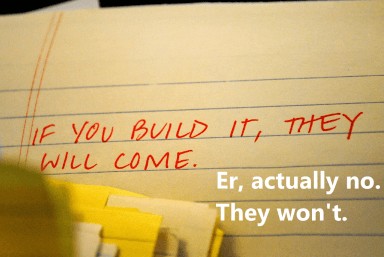
It is essential to speak to customers before you go ahead and build something for them. Many startups fail because they skip this vital step. Whether they simply don’t think of it or the Founder is so sure of his vision that he can’t see the point, it doesn’t really matter.
If you assume you know what customers want, you are on the road to failure. You will build something that doesn’t quite hit the mark (or misses the target altogether!) and probably waste a huge amount of time and money in the process.
There are no guarantees even if you do follow the basic principles I’ve outlined below, but you are much less likely to fail. And if you do fail, you still have a decent chance of turning it around.
So let’s run through 7 key stages that will help you convert your Vision into a Product you can actually launch.
1. Map Out Your Vision
Initially your Vision is probably all in your head or vaguely written down. The first thing to do is map it out properly, so you have something concrete to work with. A great tool to use is the Business Model Canvas from Strategyzer.com which helps organise your ideas into 9 distinct areas:
- Value Propositions: What problems are you solving and how?
- Customer Segments: Who is your target customer?
- Channels: How will customers get hold of your Product? How is it to be distributed?
- Customer Relationships: How will you build, keep and grow your customers?
- Revenue Streams: How will you make money?
- Key Resources: What resources do you need to build the product?
- Key Partners: Which partners or suppliers do you need to work with and what do you need from them?
- Key Activities: What are the most important activities to make it work?
- Cost Structure: How much is it going to cost to operate?
The Business Model Canvas in 2 Minutes
3. Determine Your Product/Market Fit
You’ve probably given it some thought and have an idea of:
- Who your ‘typical’ customers are (Age, Gender, Location…)
- Which product features are of most value to them
Again, it’s important to remember these are only guesses at this stage. You still need to work out exactly who your target customers are and make sure your product fulfils a need or solves a problem for them. This is called Product/Market Fit.
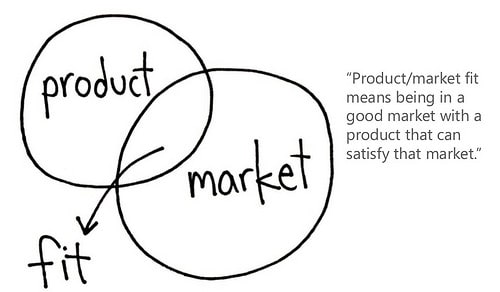
In terms of the Business Model Canvas, Product/Market Fit is a combination of your Value Propositions and Customer Segments, so get out there and validate these with real people. Walk the streets and talk to people or run a survey, whatever works, just make sure you get a decent number of responses so you have an accurate picture.
You will most likely find you got something wrong, like:
- Customers are not interested in the benefit you thought was of most value to them, but they love something else instead.
- You thought your product would only appeal to Men, but Women love it too!
No sweat. Go back and update your Canvas with your new findings.
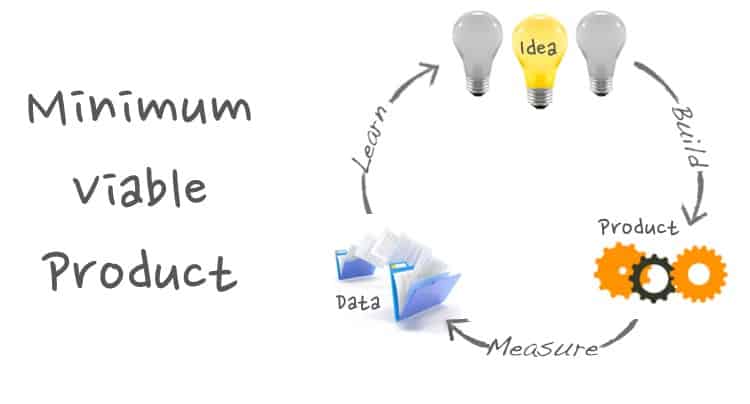
3. Build a Minimum Viable Product
You need to check you’re on the right track and customer feedback is the only way to do that. You need to create something real they can test, but don’t go overboard at this early stage. You don’t want to burn money and waste effort building a full-blown product just yet.
Start off with a low-fidelity version of your product or website. Work out the minimum design or function customers need to validate your ideas. It can be as simple as PowerPoint slides, a wireframe or mock-up. This is called a Minimum Viable Product (MVP).

Now give it to customers to try out, gauge their reactions, interest levels and get that all-important feedback.
- What do they love?
- What do they hate or not understand?
- Are they biting your hand off to sign up, even though it’s not a real product yet?
4. Listen To Customers

You will undoubtedly get things wrong the first time round. Probably the second or third time as well. Don’t take it to heart, it’s normal.
Successful startups know they will fail the first few times they share a vision with customers and understand it’s an important part of the process.
As a startup you are ‘searching’ for a workable business model. You haven’t actually got one yet. It’s an iterative process. Share the vision, get feedback, refine the idea and repeat until you get it right.
Listen carefully to what customers say each time, then go back to the Canvas and:
- Change what you got wrong
- Add anything new you’ve found out
- Mark up the things you’ve confirmed
4. Try and SELL
Once your business model is in good shape, the next stage is to TRY AND SELL YOUR PRODUCT.
It’s time to build a high-fidelity MVP now, much closer to the final design. Make sure all the key features that give customers the most value are working. Then get your marketing hat on, generate a load of interest, get as many people using it as possible and see if they sign up!
However, if it works and people are signing up like crazy, that’s awesome! You’ve proven your Business Model is sound and scalable. This effectively means your product is ready to sell without significant further development and you’re ready to ramp up your customer base.
5. Analyse the Market

As a minimum, try to figure out:
- Total Market Size: How many total customers exist?
- Total Market Value: How much would you make if EVERY customer bought your product?
- Projected Market Share: What share of the market can you realistically expect to get?
- Required Market Share: What is the minimum number of customers you need to stay afloat?
If you are entering a new or niche market, you may not get many customers. Have you factored that in? Do you need to re-evaluate the pricing model or increase the value to customers to ensure the product sells well?
To get the full picture, you should also check out the competition:
- How many customers do they have?
- How much revenue do they generate and how do they do it?
- How does your product rate against theirs and what are the key differences?
- How can you win customers from them and how likely is that to happen?
If you can, it’s also worth finding out the projected market growth. A growing market means better opportunities in the future for new customers.
If the numbers add up and you think you can get enough customers on board to make a profit, you’re clear to move forward…
6. Position Your Product
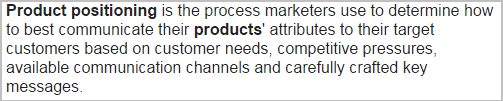
Again, you can use all that Customer feedback you’ve gathered so far. Ask yourself:
- What features do the customer like most?
- What are the unique features or selling points?
- What are the benefits over the competition?
Find those answers and bingo, that’s the positioning pretty much written for you.
7. Ready for LAUNCH!

Should you go ahead or not?
- Is it financially sensible to continue, all factors considered? Does it look like you will actually make money?
- How long can you last if you don’t grow as quickly as hoped or get the revenue you predicted?
- Do you need a sensible cut-off point after which you pull the plug, if it doesn’t work?
That last point is crucial. Knowing when to stop is as important as starting in the first place. Startups often go under because they don’t know when to call it a day. If the business model clearly isn’t working, STOP! Regroup, reassess and try again.
When you eventually do launch, monitor how things are going from the very start. The earlier you spot a problem, the better chance you have of turning it around. Figure out what’s not working, then go back and change the business model. It may just save your company.
Final Thoughts…

Ed Solman
enqore Founder and Director
Entrepreneur and Blogger. Passionate about helping people and businesses develop and grow. Daredevil sportsbike enthusiast.